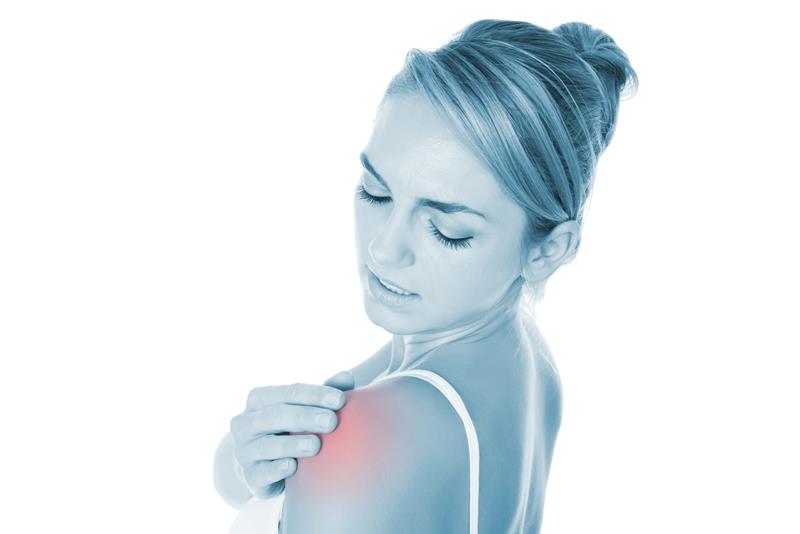
Relief from Shoulder Impingement Starts Here
At Kellie K. Middleton, FAAOS, MD/MPH in Salina, KS, we help athletes and active individuals overcome shoulder impingement pain and regain full mobility. Whether your discomfort comes from overuse, injury, or wear and tear, our tailored approach gets you back to what you love.
Why Trust Kellie K. Middleton, FAAOS, MD/MPH for Your Shoulder Care?
Shoulder impingement occurs when the tendons or bursa in your shoulder get pinched during movement, causing pain and limiting motion. At our Salina, KS clinic, we focus on pinpointing the exact cause—whether it’s inflammation, muscle imbalance, or structural issues.
Dr. Kellie K. Middleton, FAAOS, MD/MPH, brings a unique blend of sports medicine expertise and orthopedic surgery skill, ensuring you receive targeted treatment plans. From non-surgical therapies like physical therapy and injections to advanced minimally invasive procedures, we tailor care to your lifestyle and goals.
Expect thorough evaluations, clear explanations, and a partnership aimed at long-term shoulder health. We’re here to help you move freely and live fully again.
FAQs
What are the common symptoms of shoulder impingement?
Shoulder impingement often causes pain when lifting the arm, tenderness in the front or side of the shoulder, weakness, and decreased range of motion. You might notice discomfort during overhead activities or at night.
How is shoulder impingement diagnosed?
Diagnosis typically involves a physical exam to assess pain and movement, imaging tests like X-rays or MRI to check for structural issues, and a detailed review of your history and activity level.
Can shoulder impingement be treated without surgery?
Yes, many cases improve with rest, physical therapy, anti-inflammatory medications, and corticosteroid injections. Surgery is considered only if conservative treatments don’t relieve symptoms.
What does surgery for shoulder impingement involve?
Surgical options often include arthroscopic decompression to remove inflamed tissue or bone spurs causing the impingement. Recovery focuses on rehabilitation to restore strength and flexibility.
How soon can I return to sports after treatment?
Return timelines vary depending on treatment type and severity. Non-surgical recovery may take weeks to a few months, while surgery typically requires a longer rehab period. We’ll guide you through a safe, gradual return to your activities.