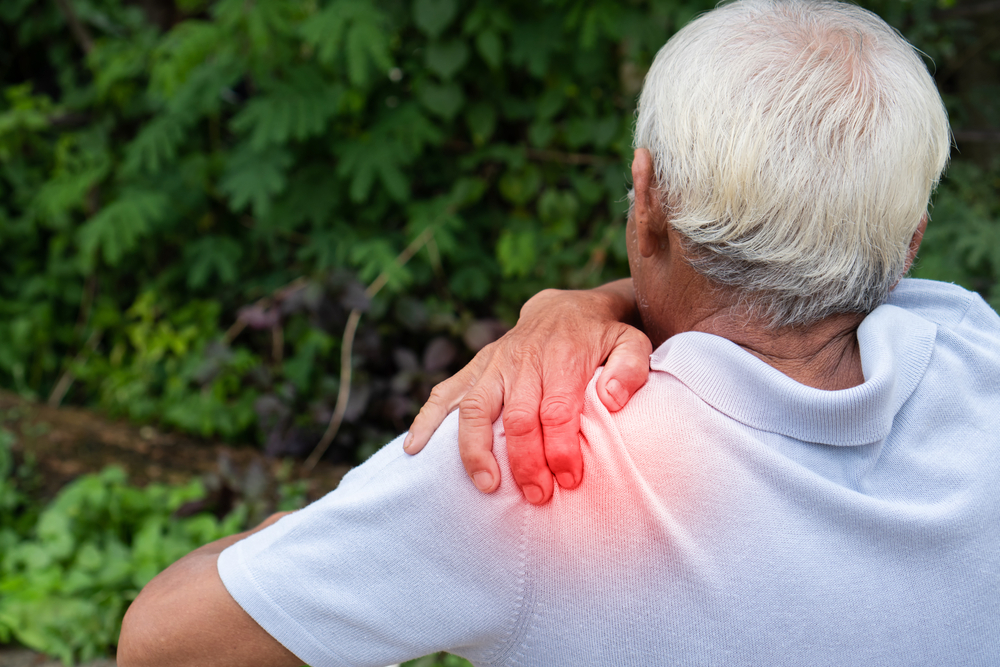
Understanding Labral Tears in Sports Medicine
At Kellie K. Middleton, FAAOS, MD/MPH, we specialize in diagnosing and treating labral tears to help you get back in the game. Whether you’re an athlete or active individual in Salina, KS, understanding your injury is the first step towards recovery.
Why Choose Kellie K. Middleton, FAAOS, MD/MPH for Labral Tear Treatment in Salina, KS
Labral tears can cause persistent pain and limit your range of motion, especially in the shoulder or hip. At Kellie K. Middleton, FAAOS, MD/MPH, we combine advanced imaging techniques with personalized treatment plans tailored to your lifestyle and goals. Dr. Kellie K. Middleton, FAAOS, MD/MPH, brings extensive experience in sports medicine and orthopedic surgery, ensuring you receive care focused on long-term healing.
From minimally invasive arthroscopic procedures to physical therapy guidance, our approach aims to restore function without unnecessary downtime. Plus, we’re right here in Salina, KS, making expert care convenient and accessible.
If you suspect a labral tear or have persistent joint discomfort, don’t wait to get evaluated.
FAQs
What is a labral tear?
A labral tear is an injury to the ring of cartilage (the labrum) that surrounds the shoulder or hip socket. This cartilage helps stabilize the joint and allows smooth movement.
What causes labral tears?
Labral tears often result from repetitive overhead motions, sports injuries, falls, or sudden twisting movements. Athletes in contact or overhead sports are particularly at risk.
What are common symptoms of a labral tear?
Symptoms usually include joint pain, catching or locking sensations, decreased range of motion, and sometimes a feeling of instability in the shoulder or hip.
How is a labral tear diagnosed?
Diagnosis typically involves a physical exam, imaging such as MRI with contrast, and sometimes diagnostic arthroscopy to assess the extent of the injury.
What treatment options are available for labral tears?
Treatment ranges from rest and physical therapy to arthroscopic surgery. The best approach depends on the tear’s size, location, and your activity level.